
Access to market
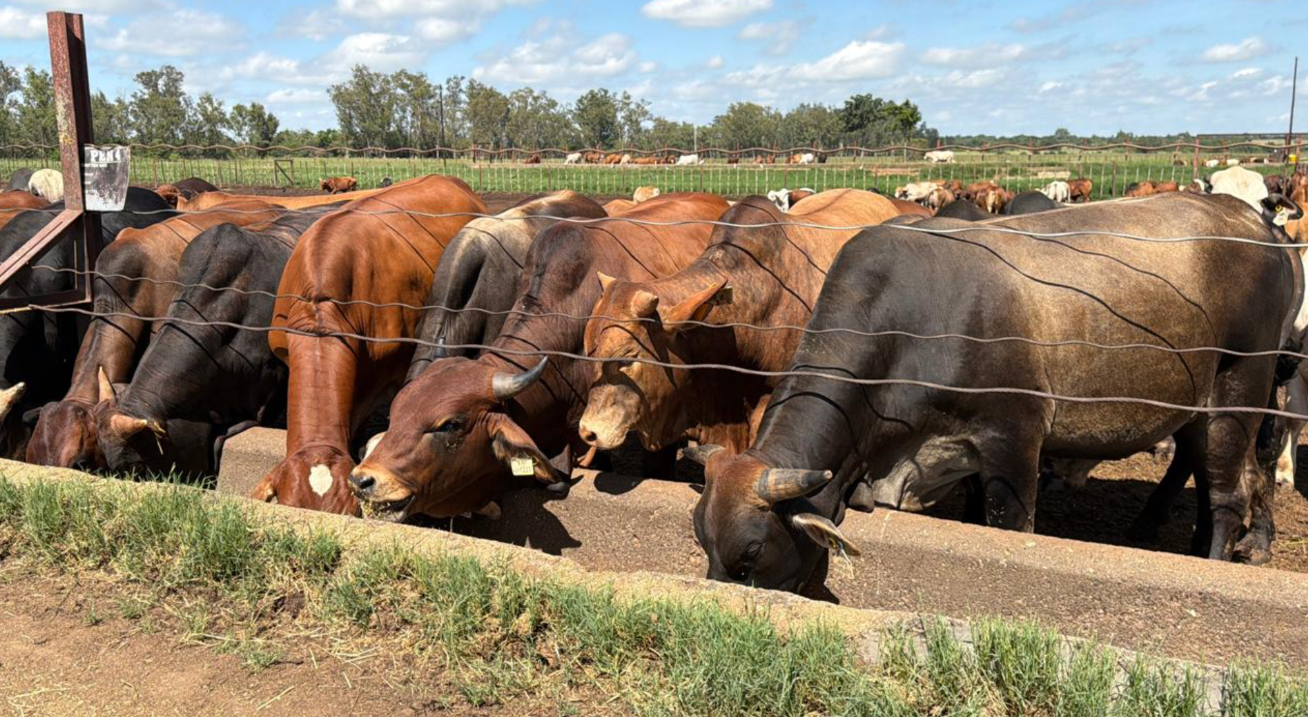
A reliable, year-round buyer for steers through our feedlot partners, MC Meats in Zimbabwe and the South African Feedlot, which have established abattoirs and retail off-take.
ESG & Impact
AgroStrong Holdings channels savings and investment into cattle, connecting investors, smallholder farmers and established beef processors. Our development impact is focused on smallholder and communal farmers and on the Government of Zimbabwe's goals for the national herd and the beef value chain.
Sources: AFSRTS 2 Agricultural Value Chains Analysis and Action Plan 2026–2030; Ministry of Lands, Agriculture, Fisheries, Water and Rural Development.
Smallholder development
A reliable, year-round buyer for steers through our feedlot partners, MC Meats in Zimbabwe and the South African Feedlot, which have established abattoirs and retail off-take.
Prices linked to the formal beef market, with fewer middlemen. Working with farmer groups so cattle are sold on grade and weight, not in distress sales.
We plan to help farmers form clusters, with working capital and technical expertise to set up and run their own feedlots. Our co-operatives offer savings and cattle-backed credit to members.
Selling steers into a regular finishing programme turns cattle into cash when farmers need it, without selling breeding stock.
Each cycle of cattle we finance supports work at feedlots, abattoirs, logistics and retail, and income for the farmers who supply the cattle.
Through the Zimbabwe Beef Producers Society, farmers can access support on breeding, nutrition, animal health and financial literacy.
Cattle we finance are insured, and cattle-backed funeral cover with a beef benefit protects families without forcing the sale of cattle.
Members of the Tsigiro Usekelo co-operatives can save and invest from as little as US$20, in the asset farmers know best.
National priorities
The Government's Agriculture, Food Systems and Rural Transformation Strategy II (AFSRTS 2, 2026–2030) sets out a beef value chain plan. Under its updated Nationally Determined Contribution, Zimbabwe also aims to cut methane from the beef industry by 20% by 2030.
Our contributionWe buy steers for finishing, so farmers have a regular outlet while keeping breeding stock to grow their herds.
Our contributionOur capital finances more cattle through established feedlots, adding weight and quality before slaughter.
Our contributionA regular, fair-price outlet for surplus steers.
Our contributionCattle are finished at managed feedlots with formulated feed. We do not yet measure our emissions and do not claim a reduction.
Sources: AFSRTS 2 Agricultural Value Chains Analysis and Action Plan 2026–2030; Zimbabwe NDC 3.0 as reported in 2026; Livestock Recovery and Growth Plan. Targets as published by Government and subject to revision.
Environmental · Social · Governance
Across all ten provinces
ZBPS is a government-recognised body representing communal, small-scale and commercial cattle farmers across all ten provinces. It is a member of the Livestock and Meat Advisory Council and is affiliated with the Zimbabwe Herd Book. The partnership extends our reach to farmers, recognised traceability and animal welfare standards, and farmer training.
Our contribution
Market access, fair prices and liquidity for smallholder farmers, plus cattle-backed savings and insurance.
Capital flows into beef production, helping close Zimbabwe's supply gap.
Cattle financing supports farmer income and work across the beef value chain.
Capital connects farmers with established processors and cattle-backed financial products.
Co-operative membership and affordable savings broaden access to cattle-backed investment.
Tagged cattle, managed finishing and independent quarterly counts support accountable production.
Feedlot partners, co-operatives and ZBPS connect investment, farmers and markets.
Animal health and managed finishing support responsible husbandry; evidence is still being built.
Co-operative access can support inclusion; we do not yet publish gender data.
Livestock is a source of emissions, so we do not claim this goal without credible mitigation.
Core: backed by an existing product, structure or partnership. Supporting: directionally true, evidence still being built. Watch: not claimed without qualification.
Evidence & accountability